
Caring for Patients Who Use Wheelchairs

A More Accessible Approach to Dental Care
For someone who uses a wheelchair, planning a dental visit can involve more than finding an office with a ramp. Questions about transferring, positioning, physical support and treatment time can all affect whether care is comfortable and practical. At In Path Dental, we approach accessibility by learning what each person needs and adapting the appointment around them.
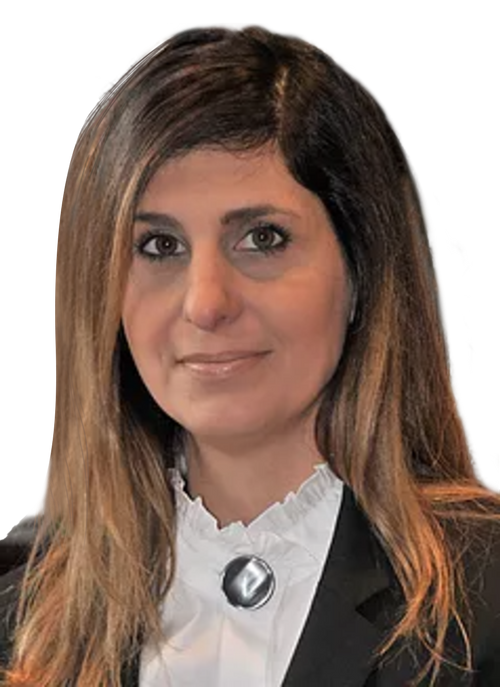
Watch Dr. Salome Lomlomdjian discuss Accessibility and Clinical Adaptations for Dental Patients Who Use Wheelchairs on CDA Oasis.
In the approximately 28-minute conversation, In Path Dental’s Chief Smile Officer explains how thoughtful preparation, flexible treatment approaches and communication can help dental teams support patients who use wheelchairs.
Accessibility Goes Beyond the Entrance
An accessible entrance is important, but the experience inside the treatment room matters just as much. A patient may be able to enter a dental office yet still face difficulties if treatment depends on moving into a conventional dental chair.
For some people, transferring is straightforward. For others, it may cause pain, require substantial assistance or create safety concerns. A wheelchair may also provide customized support that the person relies on throughout the day. Understanding these differences helps the dental team plan care without assuming that every patient can follow the same routine.
Every Patient Has Different Positioning Needs
Using a wheelchair does not tell a dental team how someone moves, communicates or tolerates treatment. Some patients can comfortably recline, while others need a more upright position. Head and neck support, fatigue, involuntary movements and medical equipment may also influence how an appointment proceeds.
In her conversation, Dr. Lomlomdjian explains that treatment decisions begin with the individual’s health, comfort and support needs. The planned procedure and the team’s ability to provide care safely also guide the approach. This personalized assessment is central to In Path Dental’s Special Care Dentistry. In Path Dental
Remaining in a Wheelchair During Treatment
When appropriate, receiving dental care while remaining in a familiar wheelchair can reduce the need for a difficult transfer. Dr. Lomlomdjian discusses In Path Dental’s wheelchair recliner, which allows the wheelchair itself to be reclined for treatment. This equipment can help the team achieve a suitable working position while supporting patient comfort. However, equipment alone does not determine the treatment plan. Wheelchair compatibility, positioning requirements and individual medical considerations still need to be assessed.
Learn more about Wheelchair Dentistry at In Path Dental.
Adapting the Appointment Around the Patient
Sometimes the most useful adjustment involves changing how the dental team works around the patient. Repositioning lights, moving portable equipment or changing the dentist’s and assistant’s working positions may improve access without asking the patient to maintain an uncomfortable posture.
Other considerations include head and neck support, suction, swallowing needs and how long the patient can comfortably remain in one position. X-rays, cleanings and fillings can each require different adaptations. Allowing additional time gives the team room to make those adjustments and respond to the patient’s comfort throughout the visit.
Preparation Begins Before the Visit
A conversation before the appointment helps the team prepare the treatment space and understand what support may be needed. Helpful information can include:
- The type and size of wheelchair, including whether it reclines.
- Whether the patient can transfer and their preferences about transferring.
- Positioning supports or medical equipment that need to remain in place.
- Previous dental experiences and adjustments that have helped.
- Concerns about pain, fatigue or appointment length.
Patients and caregivers can share practical details that may otherwise be overlooked. Preparing ahead also gives the team an opportunity to discuss what can reasonably be provided during the visit.
Keeping the Patient at the Centre
Family members and caregivers can offer valuable support, but communication should continue to include the patient directly. Asking about preferences, listening carefully and explaining the next steps helps keep the person involved in their care.
Dr. Lomlomdjian’s message is that accessible dentistry depends on preparation, training and a willingness to adapt. Watch the full CDA Oasis conversation to hear her discussion of these approaches.
At In Path Dental in Mississauga, we help patients plan dental visits around their individual mobility and support needs. Thoughtful accommodations can make ongoing preventive care more manageable. If you or someone you support uses a wheelchair, request an appointment to discuss accessibility needs with our team before the visit.