
Caring for Patients With Autism
A More Inclusive Approach to Dental Care
Dental visits can involve unfamiliar sounds, bright lights, new sensations, changes in routine and close physical interaction. For patients on the autism spectrum, these elements may sometimes make a conventional dental appointment more difficult or overwhelming. At In Path Dental, we believe dental care should adapt to the person—not expect every person to adapt to the same dental experience.
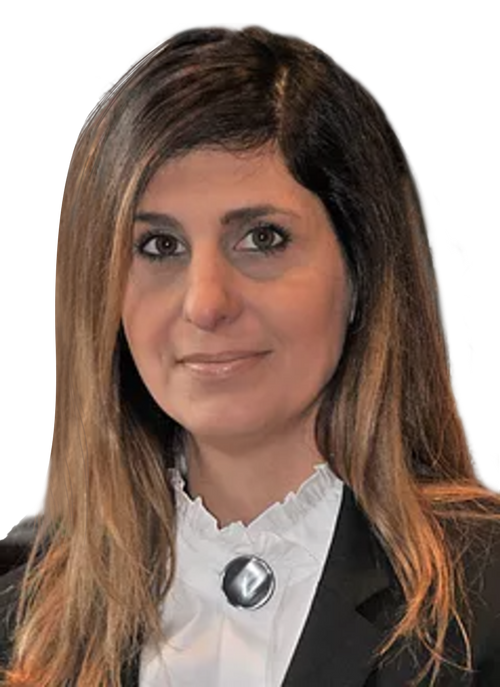
🎧 Hear Dr. Salome Lomlomdjian discuss this topic with the Canadian Dental Association:
Watch “Caring for Patients with Autism Spectrum Disorder” on CDA Oasis
In the 28-minute CDA Oasis conversation, Dr. Salome Lomlomdjian, Chief Smile Officer at In Path Dental, discusses some of the misconceptions surrounding Autism Spectrum Disorder (ASD) and shares ways dental professionals can help reduce anxiety, build trust and create more positive dental experiences.
Every Patient With Autism Is Different
One of the most important principles in autism-friendly dental care is understanding that there is no single approach that works for everyone. Autism is a spectrum, and individual patients may have very different communication preferences, sensory sensitivities, comfort levels and previous experiences with healthcare. That is why a patient-centred approach begins by learning about the individual before deciding how the appointment should proceed. At In Path Dental, this philosophy is central to our approach to Special Care Dentistry. Rather than expecting every patient to follow the same treatment routine, appointments can be adapted according to the patient’s individual needs.
Creating a More Predictable Dental Experience
For some autistic patients, uncertainty can be one of the most challenging parts of a dental appointment. Helping a patient understand what will happen next can make the experience feel more manageable. Depending on the individual, this can include:
- explaining procedures in clear, direct language;
- showing or introducing instruments before they are used;
- allowing additional time for questions and processing;
- taking breaks when needed;
- progressing through treatment gradually rather than rushing;
- involving caregivers or family members when appropriate; and
- keeping the appointment as predictable as possible.
Success does not always mean completing everything during a single appointment. Sometimes an important first step is simply becoming comfortable with the office, meeting the dental team or becoming familiar with the treatment environment. This gradual approach reflects In Path Dental’s broader philosophy for patients with Special Health Care Needs, where building familiarity and trust over time can be an important part of long-term oral healthcare.
Why the Sensory Environment Matters
A dental office naturally contains significant sensory stimulation. There are overhead lights, equipment sounds, unfamiliar tastes and textures, movement around the treatment chair and physical sensations inside the mouth. For someone with sensory sensitivities, several of these experiences occurring at the same time may make treatment significantly harder. A more sensory-aware approach may involve changing the pace of the appointment, reducing unnecessary stimulation, providing more preparation before introducing new sensations and understanding which environmental factors are particularly difficult for the individual patient. In Path Dental was intentionally designed with sensory considerations in mind. The practice includes treatment spaces created to help reduce triggering stimuli and stress, supporting patients with autism as well as patients with other developmental or physical needs.
Learn more about In Path Dental’s inclusive and sensory-conscious approach.
Communication Is Part of Dental Care
Good dentistry is not only about the clinical procedure. How information is communicated can have an enormous effect on how a patient experiences treatment. Clear, simple communication can help reduce uncertainty. Equally important is allowing enough time for a patient to understand what is happening and communicate their own needs. Some patients may communicate verbally, while others may use different methods or benefit from support from someone who knows their communication style well. The goal is not to make assumptions based on an autism diagnosis. It is to understand how the individual patient communicates most comfortably and effectively.
Working Together With Families and Caregivers
Families and caregivers can also provide valuable information about a patient’s routines, preferences, previous healthcare experiences, triggers and strategies that have worked well in other environments. That information can help a dental team prepare before an appointment begins. Collaboration is especially valuable when caring for children or patients who require additional assistance navigating healthcare environments. Families looking for dental care for younger patients can also learn more about Pediatric Dental Care at In Path Dental. The patient, however, remains at the centre of the process. Support should help the dental team understand and communicate with the individual—not replace their involvement in their own care whenever they are able to participate.
Progress Can Look Different for Every Patient
An important message from autism-friendly and special care dentistry is that success should be measured individually. For one patient, a full examination and cleaning may be achievable during the first appointment. For another, success might mean:
- entering the treatment room comfortably;
- sitting in the dental chair;
- allowing the dentist to perform a brief examination;
- becoming familiar with a toothbrush or dental mirror; or
- simply leaving the appointment feeling safe enough to return.
Those smaller steps can form the foundation for future preventive care and treatment. In Path Dental’s approach to Special Care Dentistry in Mississauga is centred on personalized needs assessment, communication and behavioural facilitation throughout the treatment process.
Watch the Full CDA Oasis Conversation
Providing dental care for autistic patients is not about applying one fixed protocol. It is about listening, adapting and creating a treatment experience that recognizes the needs of the individual. In her CDA Oasis conversation, Dr. Salome Lomlomdjian discusses this patient-centred philosophy and shares practical insights for making dental appointments more comfortable, predictable and successful for patients with Autism Spectrum Disorder.
Watch the full 28-minute conversation:
Caring for Patients with Autism Spectrum Disorder – CDA Oasis
Looking for Autism-Friendly Dental Care in Mississauga?
At In Path Dental, we believe there is a better way to approach dental care. Our goal is to create an environment where patients are given the time, communication, flexibility and support they need to receive appropriate dental treatment. If you or someone you care for has autism, sensory sensitivities, dental anxiety, physical disabilities or other special health care needs, learn more about our Special Health Care Needs dental care and how we can adapt appointments around individual needs.