
How Mobile Dentistry Can Support Patients Who Have Difficulty Accessing a Dental Office
For some patients, receiving dental care involves more than scheduling an appointment and travelling to a clinic. Mobility limitations, complex medical conditions, developmental or intellectual disabilities, age-related changes, sensory concerns, caregiver logistics, or transportation barriers can make conventional appointments much more difficult to access. In Path Dental includes mobile dentistry within its special-care services, reflecting a broader approach in which dental care can be adapted around individual access needs rather than assuming every patient can use the same standard pathway.
Access Barriers Can Take Many Forms
A patient may be physically unable to transfer easily, may depend on specialized transportation, may experience significant distress when travelling to unfamiliar environments, or may have medical needs that make leaving a residence or care setting difficult. These situations are different from one another, which is why accessible dental care begins with understanding the individual patient, their support needs, and what type of assessment or treatment is being considered.
Special Care Dentistry Is Built Around Individual Needs
In Path Dental describes special care dentistry as a patient-centred approach involving personalized assessment of clinical, communication, and behavioural needs. That approach can be relevant whether care is provided in the clinic or through another setting, because the patient’s medical history, sensory preferences, communication style, mobility, support person, and ability to tolerate specific procedures may all affect how care should be organized.

Wheelchair Accessibility Is One Part of Inclusive Care
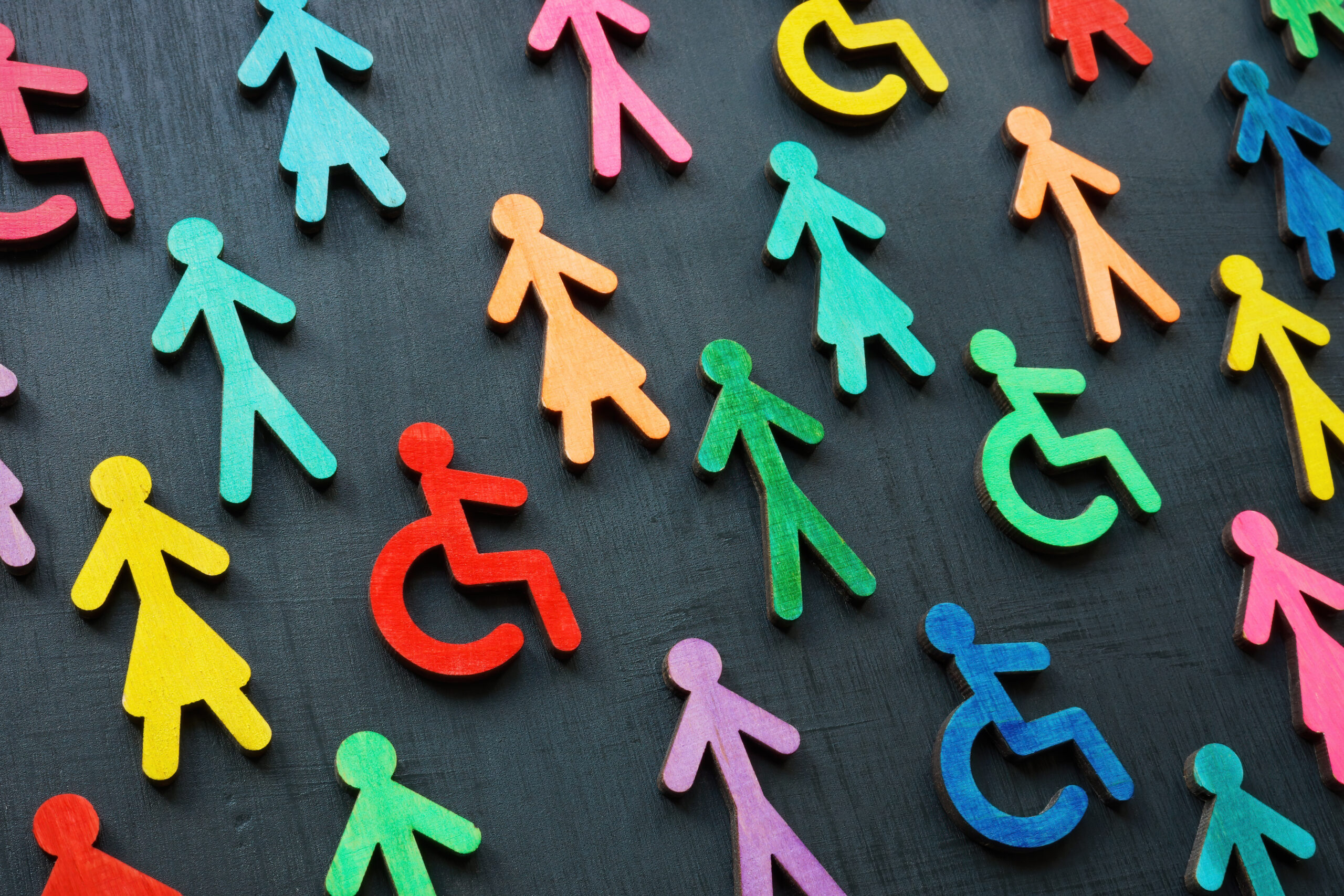
Patients searching for a wheelchair-accessible dentist may need more than a step-free entrance. In Path Dental’s special health care needs service identifies wheelchair users and people with physical, medical, intellectual, and developmental disabilities among the patients for whom the practice adapts treatment and protocols, including a sensory-friendly and wheelchair-accessible clinic environment.
Older Adults May Face Additional Access Challenges
Age alone does not prevent someone from attending a dental office, but some older adults experience mobility limitations, multiple medications, cognitive changes, caregiver dependence, or health conditions that make appointments more complicated. In Path Dental’s senior dental care is designed around these changing needs, and access planning may involve caregivers or family members when appropriate.

Preventive Care Remains Important When Access Is Difficult
Patients who face barriers to dental visits can still experience cavities, gum disease, broken teeth, denture concerns, dry mouth, and other oral-health issues. Delayed access can make smaller problems harder to manage, which is why preventive assessment and practical home-care support remain important even when conventional appointments are difficult to arrange.
Not Every Procedure Can Be Provided in Every Setting
Mobile dentistry does not mean that all dental treatment can automatically be completed outside a fully equipped dental office. The type of assessment or procedure that can be provided depends on clinical requirements, equipment, safety, medical complexity, infection control, and the patient’s individual circumstances. When treatment needs exceed what can appropriately be completed in a mobile setting, the dental team may need to coordinate a different care environment.
General Dental Needs Still Need Individual Diagnosis
Patients with disabilities or special health care needs can require the same types of general dental care as other patients, including fillings, root canal treatment, extractions, implants, crowns, bridges, dentures, and emergency assessment. The difference is that the pathway to receiving those services may need additional planning, communication, adaptation, or coordination.
Accessibility Should Reduce Barriers, Not Lower Standards
The purpose of accessible and mobile dentistry is not to provide a lesser version of dental care. It is to identify barriers that prevent a patient from receiving appropriate oral-health assessment and determine how those barriers can be reduced safely. For patients and caregivers exploring mobile dental services, speaking with the dental team about mobility, communication, medical history, behavioural needs, and the patient’s current dental concern can help determine what type of care setting may be suitable.