
How Parkinson’s Disease Can Affect Oral Care and Dental Visits


Parkinson’s disease can affect movement, coordination, dexterity, and daily routines, which can make oral care more challenging for some patients. Changes do not affect everyone in the same way, so dental care should be planned around the individual rather than the diagnosis alone. InPath Dental provides special care dentistry for patients with different medical, physical, communication, and mobility needs, including dedicated dental care for patients with Parkinson’s disease.

Dry Mouth and Swallowing Changes Are Worth Mentioning
The Parkinson’s care information provided by InPath Dental notes that some patients experience dry mouth or difficulty swallowing. These changes can affect comfort and oral hygiene, so they should be discussed with the dental team. Patients with other ongoing health considerations can also review InPath Dental’s approach to medical and physical conditions, where treatment planning considers medical history, medications, mobility, and individual accommodations.
Brushing and Flossing May Become More Difficult
Fine motor changes can make it harder to hold a toothbrush, control brushing movements, or clean between teeth thoroughly. A caregiver may gradually become more involved, or the home-care routine may need to be simplified. The goal is not to force one particular technique, but to identify an approach the patient can use safely and consistently while still reaching difficult areas.
Mobility Can Change How an Appointment Is Organized
Getting into a conventional dental chair may become difficult for some patients. InPath Dental offers wheelchair dentistry for patients who may benefit from remaining in their own manual or power wheelchair during treatment. Positioning, head support, appointment length, and the patient’s ability to remain comfortable should all be discussed before the visit.
Caregiver Input Can Be Valuable
Family members and caregivers often know which time of day works best, when fatigue tends to increase, what communication methods are most effective, and whether the patient needs additional time or breaks. These details can help the dental team plan a more manageable appointment rather than responding to difficulties only after treatment has started.
Dental Care Should Adapt as Needs Change
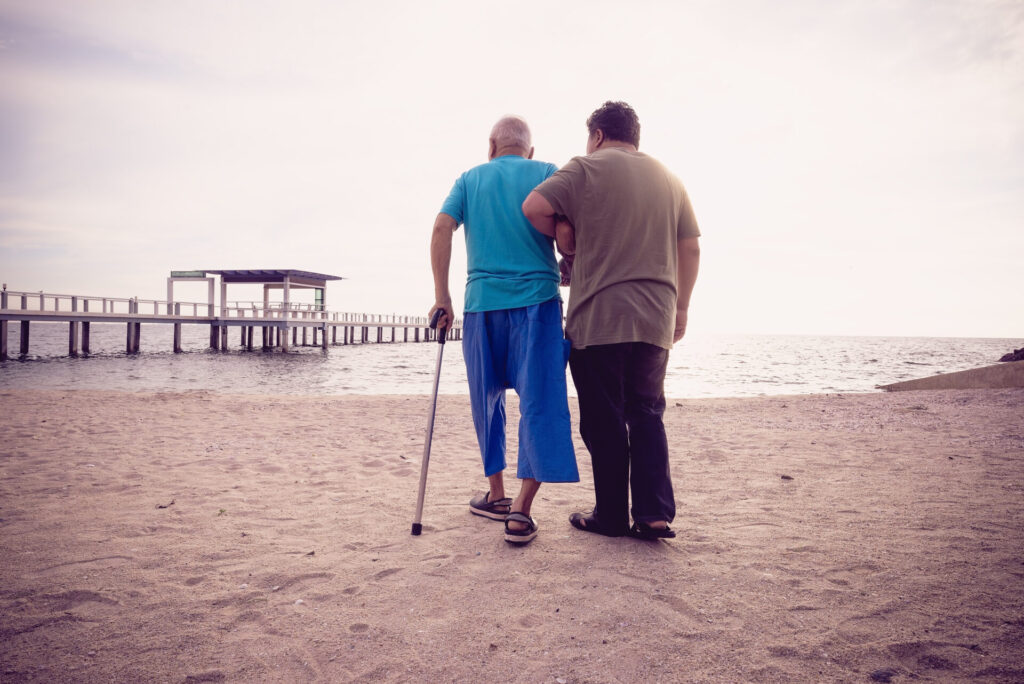
Parkinson’s disease can change over time, and dental care may need to change with it. Regular assessment gives the dental team an opportunity to monitor oral health while adjusting appointment timing, communication, positioning, and home-care recommendations. Older patients and caregivers can also explore InPath Dental’s senior dental care resources for additional information about individualized care.
If Parkinson’s disease, mobility changes, or another medical condition is making dental care harder to manage, contact InPath Dental to discuss what accommodations may help before scheduling your visit.